Za održavanje i čišćenje vašeg mini perilica rublja ispravno, slijedite tri osnovne rutine: obrišite bubanj i zatviliite nakon svake upotrebe kako biste spriječili nakupljanje vlage, pokrenite mjesečni ciklus samočišćenja s razrijeđenom otopinom bijelog okta ili limunske kiseline i provjerite ima li začepljenja odvodnog crijeva i ulaznog filtra svaka tri mjeseca. Ovi kilijaci ukupno traju manje od 15 minuta i produžuju radni vijek a kompaktna perilica značajno — industrijski podaci sugeriraju da redovito održavane muška perilica rublja traju 30 do 50 posto dulje od zanemarenih ekvivalenata u istom okruženju upiliabe.
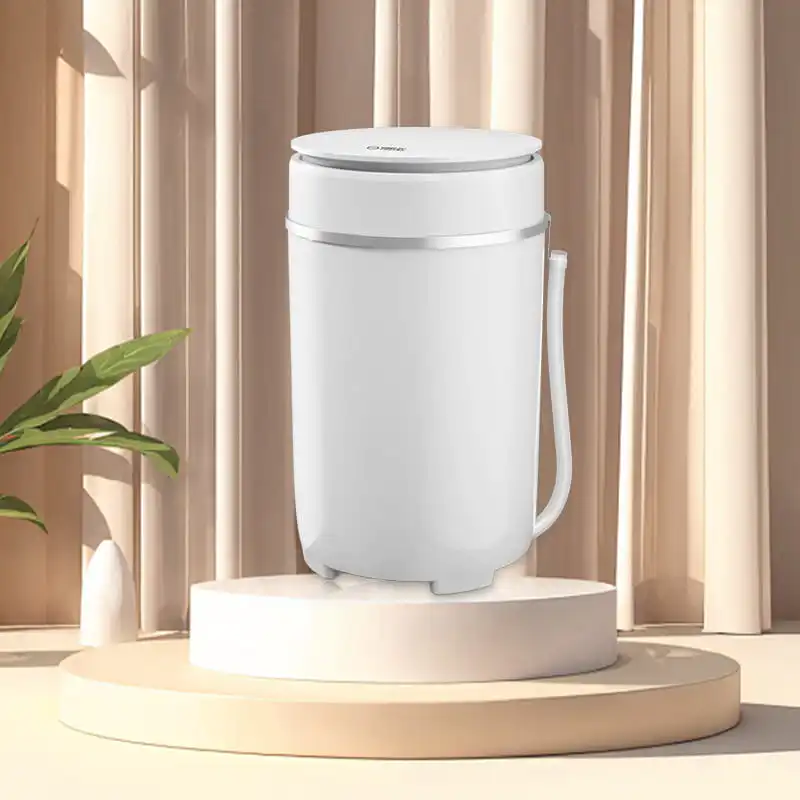
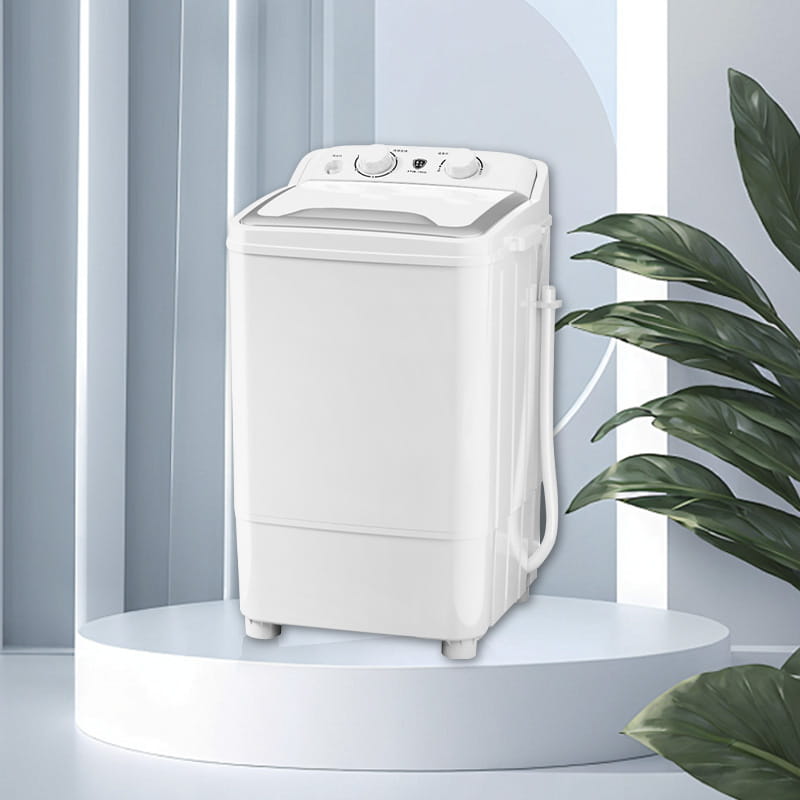
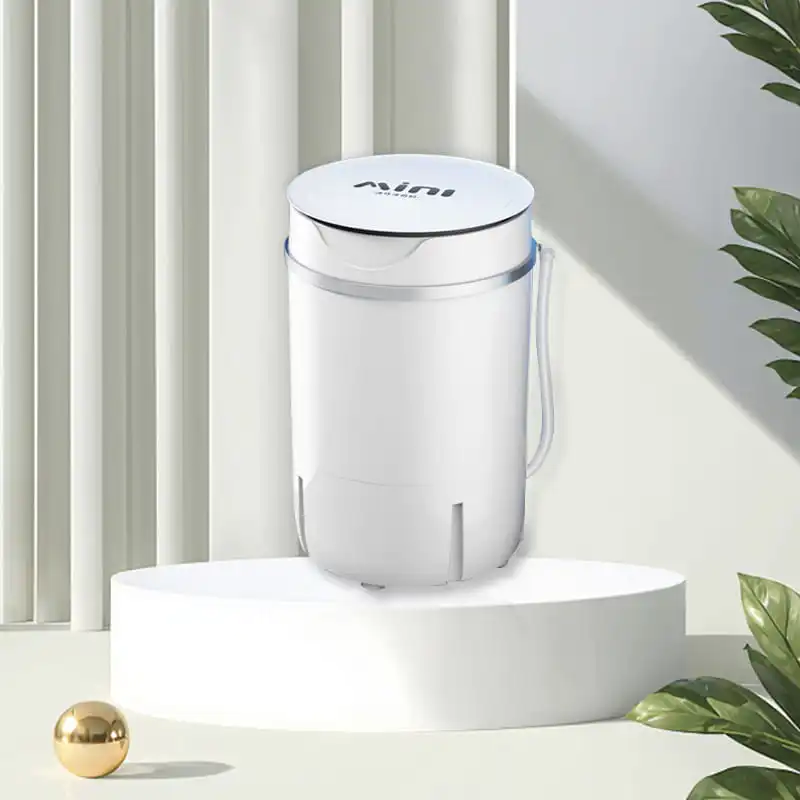
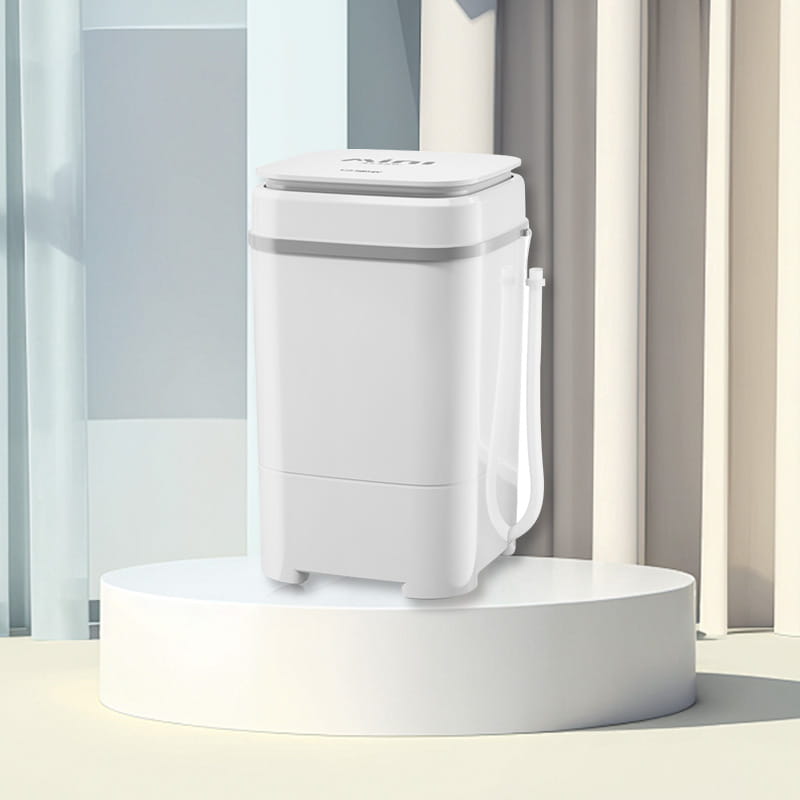
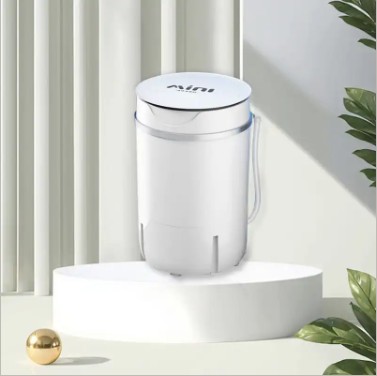
Ovaj vodič pokriva svaku dimenziju održavanja prijenosna perilica detaljno: rutinski postupci čišćenja, intervali dubinskog čišćenja, njegova bubnja, održavanje odvodnog sustava, smjernice za skladištenje i okvir za rješavanje najčešćih problema koje prijavljuju kiliisnici muška perilica rublja u stanovima, spavaonicama i kompaktnim stambenim prostorima. Slike istaknutih proizvoda mini prijenosna perilica rublja uključeni su za ilustraciju strukturnih zona navedenih u postupcima održavanja.
A mala prostorna perilica rublja radi u drugačijim uvjetima od perilice rublja pune veličine. Njegov kompaktni volumen bubnja znači da je omjer zaostale vode i površine bubnja veći nakon svakog ciklusa, stvarajući više koncentrirano vlažno okruženje koje potiče rast bakterija i taloženje mineralnog kamenca ako se njime ne upravlja. Korisnici od kompaktne perilice za stanove često pokreću svoje strojeve u kupaonicama ili kuhinjama bez namjenske ventilacije - uvjeti koji ubrzavaju razvoj plijesni na brtvama, unutrašnjosti bubnja i brtvama poklopca.
Ostaci deterdženta su faktor složenosti. u a mini prijenosna perilica rublja s manjim volumenom vode, omjer deterdženta i vode je osjetljiviji nego u stroju pune veličine. Predoziranje — uobičajena pogreška kada korisnici nanose punu količinu deterdženta za stroj na kompaktnu perilicu — ostavlja ostatke surfaktanata na stijenkama bubnja koji zadržavaju dlačice, stvaraju pjenu u budućim ciklusima i sadrže bakterije koje uzrokuju neugodne mirise. Pravilnim održavanjem uklanjaju se ti ostaci prije nego se nakupe u problem koji utječe na kvalitetu pranja ili performanse stroja.
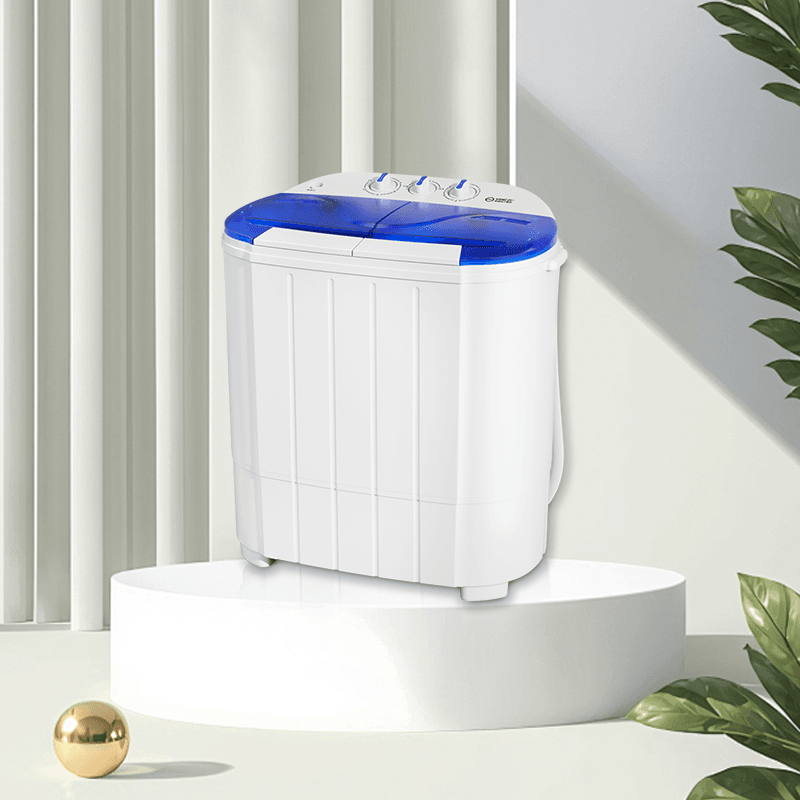
Fotografija proizvoda prikazuje istaknuto električna mini perilica u svojoj standardnoj konfiguraciji. Prozirni poklopac omogućuje izravan vizualni pregled unutrašnjosti bubnja bez otvaranja stroja — korisna značajka održavanja koja korisnicima omogućuje da potvrdi da je bubanj prazan i suh između dva korištenja, te da uoči bilo kakve ostatke ili promjenu boje prije nego što se učvrstite. Ručka za nošenje integrirana u tijelo olakšava premještanje stroja radi čišćenja i odvodnje. Čista bijela vanjska strana i minimalni diskontinuiteti površine smanjuju vanjsko nakupljanje prljavštine i pojednostavljuju održavanje brisanjem između ciklusa.
Horizontalni dijagram trakasta prikazuje pet režima održavanja u odnosu na predviđeni životni vijek stroja za kompakt kućna perilica rublja . Tjedna rutina čišćenja postiže najvišu ocjenu životnog vijeka od 9,6, potvrđujući da je dosljedno održavanje bez napora najučinkovitiji pristup maksimiziranju životnog vijeka mala perilica rublja . Mjesečno dubinsko čišćenje ima ocjenu 9,0 — gotovo jednako učinkovito kao jednokratno čišćenje i stvarna učestalost za korisnike koji preferiraju rječi, ali temeljitiji pristup. Tromjesečne provjere filtera i odvoda daju ocjenu 8,0, što je prikladno kao minimalna osnovna vrijednost za korisnike s obrascima umjerene učestalosti korištenja. Samo godišnje servisiranje ima ocjenu samo 6,6, što znači da intervali održavanja produženi na jednom godišnje dopuštaju nakupljanje dovoljnog kamenca, ostataka i habanja da rad stroja osjetno opada između posjeta servisu. Uopće nikakvo održavanje daje ocjenu 3,0, što potvrđuje da se kompaktna perilica koja se ne održava brzo kvari — miris bubnja, smanjena učinkovitost motora i začepljenja odvoda obično se očituju u roku od šest do dvanaest mjeseci od kupnje u uvjetima redovite uporabe bez ikakvog održavanja. Ovi podaci podupiru ključnu preporuku: kratko, često održavanje nadmašuje rijetko dubinsko čišćenje za kompaktne perilice u svim scenarijima praktične uporabe.
Najučinkovitija navika održavanja za a prijenosna perilica je najjednostavniji: dosljedna rutina nakon upotrebe koja traje manje od 3 minute. Većina problema s mirisom, plijesni i ostacima u kompaktnim perilicama rublja potječe od vlage koja je ostala unutar zatvorenog bubnja nakon pranja - ne zbog bilo kakvog kvara u samoj perilici, već zbog navike korisnika da zatvori poklopac odmah nakon vađenja rublja.
Za korisnike a perilica za studentski dom or kompaktna perilica za stan života, ova rutina nakon upotrebe posebno je važna jer se ovi strojevi često pohranjuju u skučenim prostorima - ispod stolova, unutar ormara ili u kupaonicama bez prozora - gdje je cirkulacija zraka ograničena, a vlažnost u okolini povišena. Ugradnja ove 3-minutne navike u rutinu pranja rublja eliminira najčešću pritužbu na kompaktne perilice: pojavu pljesnivog ili kiselog mirisa nakon nekoliko mjeseci korištenja.
Jednom mjesečno, mini perilica rublja ima koristi od temeljitijeg čišćenja koje rješava nakupljeni kamenac, biofilm i ostatke deterdženta koje svakodnevno brisanje ne može u potpunosti ukloniti. Mjesečna rutina cilja na tri zone: unutrašnjost bubnja, odvodni sustav i bilo koji mehanizam za doziranje deterdženta.
Napunite bubanj maksimalno preporučenom razinom vode. Dodaj 100 ml bijelog okta or 30 g limunske kiseline u prahu izravno u vodu — nemojte dodavati deterdžent. Pokrenite puni ciklus pranja na najvišoj temperaturi koju stroj podržava. Kisela otopina otapa kamenac kalcijevog karbonata koji se nakuplja na stijenkama bubnja i mješalici ili pulsatoru iz tvrde vode i remeti matricu biofilma koji bakterije koje uzrokuju miris stvaraju na glatkim površinama. Nakon završetka ciklusa, pokrenite još jedan ciklus ispiranja samo čistom vodom kako biste isprali sve ostatke.
Alternativa je komercijalno formulirana tableta ili prašak za čišćenje perilice rublja otopljen u vodi iz bubnja. Ovi proizvodi obično sadrže kiselinske komponente (za uklanjanje kamenca) i površinski aktivne komponente (za razbijanje biofilma) u jednoj dozi. za energetski učinkovita mini perilica u područjima s tvrdom vodom snažno se preporučuje mjesečni ciklus limunske kiseline — nakupljanje kamenca na grijaćim elementima i površinama bubnja primarni je uzrok smanjene učinkovitosti grijanja i skraćenog vijeka trajanja elementa u malim perilicama s električnim grijanjem.
Odvojite odvodno crijevo od stroja i držite ga iznad sudopera ili kante. Propustite vodu kroz crijevo da provjerite ima li začepljenja — smanjeni protok ukazuje na djelomično začepljenje dlačica, vlakana ili mineralnih naslaga. Isperite crijevo razrijeđenom otopinom bijelog okta i ostavite da se namače 10 minuta ako ima ostataka. Ako stroj ima ulazni filtar (malu mrežu mreže na spojnoj točki ulaza za vodu), uklonite ga, isperite pod tekućom vodom i upotrijebite meku četku da očistite sve ostatke prije ponovnog postavljanja.
Upotrijebite meku četkicu za zube navlaženu razrijeđenom otopinom bijelog okta za čišćenje utora za brtvljenje poklopca i svih pukotina oko otvora bubnja. Ta područja nakupljaju dlačice i vlagu koju ravna krpa ne može u potpunosti riješiti. Isperite čistom vlažnom krpom i temeljito osušite. Očistite upravljačku ploču jedva navučenom krpom — nemojte dopustiti da se tekućina prodre oko gumba ili zaslona.
Linijski grafikon ilustrira trendove nakupljanja kamenca i ostataka tijekom razdoblja od 18 mjeseci za mjesečno održavanje kompaktna perilica naspram neodržanog ekvivalenta. Održavani stroj (puna plava linija) ostaje ravnomjeran blizu osnovne razine niske razine tijekom cijelog razdoblja od 18 mjeseci — svaki mjesečni ciklus čišćenja limunskim kiselinom ili oktom poništava nakupljanje prije nego što se može spojiti. Stroj koji se ne održava (isprekidana tamna linija) pokazuje ubrzanje nakupljanja: relativno sporo u prva tri mjeseca, zatim strmiji porast od 3. do 9. mjeseca kada naslage kalcija počnu hvatati daljnje mineralne čestice i biofilm, a zatim plato pri visokom nakupljanju od 9. mjeseca nadalje jer su površine bubnja u potpunosti kolonizirane kamencem i ostacima. Do 18. mjeseca, neodržavani stroj nosi približno 15 do 20 puta veće opterećenje od kamenca u odnosu na održavani ekvivalent. Ova se razlika izravno pretvara u smanjenu učinkovitost motora (bubanj mora raditi jače protiv akumuliranog otpora), smanjenu kvalitetu pranja (deterdžent ponovno aktivira i ponovno taloži čestice kamenca na čisto rublje) i povećan rizik od kvara. Vizualna razlika između dviju linija nakon 6. mjeseca kvantificira zašto mjesečno čišćenje nije izborno poboljšanje, već funkcionalna potreba za energetski učinkovita mini perilica performanse tijekom nazivnog vijeka trajanja stroja.
Razumijevanje koje zone vašeg mala perilica rublja zahtijevaju pozornost — i zašto je svaki od njih sklon određenoj vrsti nakupljanja — omogućuje učinkovito usmjeravanje napora za održavanje, a ne svugdje jednoobraznu primjenu. Sljedeći pregled s komentarima prikazuje primarne zone održavanja kompaktne mini perilice s gornjim punjenjem.
Označeni dijagram prikazuje pet primarnih zona održavanja na kompaktnom vrhunskom opterećenju mini perilica rublja . Brtva poklopca je zona rizika od plijesni s najvećim prioritetom — njezina zakrivljena geometrija s pukotinama zadržava vlagu i dlačice u izravnom kontaktu s unutrašnjosti bubnja i zahtijeva čišćenje mekom četkom, a ne ravnom krpom za temeljito uklanjanje. Zona stijenke bubnja je mjesto gdje se nakupljaju kamenac i ostaci deterdženta u kontaktu s vodom, što zahtijeva mjesečni ciklus čišćenja kiselinom. Ručka i vanjski dio kućišta nižeg su prioriteta, ali ih je ipak potrebno redovito brisati kako bi se spriječio prodor prljavštine kroz spojeve i estetska degradacija koja se može zamijeniti s funkcionalnim trošenjem. Odvodna zona na dnu - uključujući spojnu točku crijeva - zahtijeva mjesečno ispiranje kako bi se spriječio spor razvoj odvoda koji smanjuje učinkovitost centrifuge. Ovaj vizualni okvir pomaže korisnicima točno rasporediti napore u održavanju umjesto čišćenja samo vidljivih vanjskih površina ignorirajući funkcionalne unutarnje zone koje najizravnije utječu na kvalitetu pranja i dugovječnost stroja.
Najčešći problem održavanja koji prijavljuju korisnici veleprodaja mini perilica rublja u prvoj godini korištenja nije mehanička greška — radi se o predoziranju deterdženta. A mala perilica rublja koristi značajno manje vode po ciklusu od stroja pune veličine, što znači da je koncentracija deterdženta po litri vode za pranje mnogo veća ako su sljedeće smjernice za doziranje pune veličine. Višak deterdženta stvara pjenu koja ostaje u ciklusu ispiranja, ostavlja ostatke surfaktanta na tkanini i površinama bubnja, a — u strojevima s gornjim punjenjem — može se preliti kroz otvor brtve poklopca ako je stvaranje pjene pretjerano.
Radarska karta pruža najsveobuhvatniji prikaz prednosti održavanja u šest dimenzija performansi stroja. Dobro održavan kompaktna perilica (tamnoplavi čvrsti poligon) zauzima vanjski prsten u svih šest dimenzija, s najvišom ocjenom za kontrolu mirisa 9,8 — što odražava izravan odnos između učestalosti čišćenja i naslaga bakterija/plijesni — nakon čega slijede čistoća pranja (9,6), životni vijek stroja (9,6), učinkovitost motora (9,5) i performanse odvoda (9,5). Razina buke na 9,0 odražava vezu između komponente bubnja i motora bez kamenca i glatkog, tihog rada. Zanemareni stroj (isprekidani tamni poligon) značajno se povlači prema središtu, s kontrolom mirisa koja pada na 3,0 — najdramatičniji pad performansi — što potvrđuje da je miris prvi i najočitiji simptom zanemarivanja. Učinkovitost odvoda na 4,0 odražava progresivno djelomično začepljenje od dlačice i nakupljanje kamenca na putu odvoda. Radarska vizualizacija jasno pokazuje da održavanje nije briga jedne dimenzije, već čimbenik kvalitete cijelog sustava: svaka dimenzija izvedbe prijenosna perilica razgrađuje se u nedostatku rutinske njege, a svaka se dimenzija poboljšava ili održava dosljednim održavanjem. Za korisnike energetski učinkovita mini perilicas koji žele da njihov stroj radi kao kupljen godinama, a ne mjesecima, radarski profil je najjasniji mogući argument za uspostavljanje rutine održavanja od prvog dana.
Za korisnike koji koriste svoje mini prijenosna perilica rublja sezonski — tijekom studentskog semestra, tijekom putovanja ili tijekom razdoblja korištenja stana — pravilno skladištenje između razdoblja korištenja nakon ubrzane degradacije do koje dolazi kada se vlažan stroj tjednima ili mjesecima skladišti zatvoren u zatvorenom prostoru.
Cixi Yongda Electronics Co., Ltd. nalazi se u Cixi, Ningbo, Zhejiang, Kina — gradu koji je prepoznat kao vodeća baza za proizvodnju malih kućnih aparata s punim pratećim industrijskim lancem koji pruža značajne konkurentske prednosti u nabavi komponenti, kvaliteti proizvodnje i učinkovitosti isporuke.
Osnovana u 2003 , tvrtka ima preko 20 godina iskustva u proizvodnji u kućnim aparatima, s godišnjom prodajom koja premašuje 100 milijuna RMB . Asortiman proizvoda uključuje mini perilica rubljas , prijenosne perilice i kompaktni kućni uređaji za pranje rublja koji se prodaju pod OEM i ODM aranžmanima za međunarodne kupce. Vanjskotrgovačka prodaja čini više od 50% tvorničke proizvodnje , s proizvodima koji se izvoze u desetke zemalja diljem svijeta. Ambalaža je posebno dizajnirana kako bi odgovarala veličini spremnika za učinkovitu međunarodnu logistiku. Tvornica se nalazi samo 35 kilometara od luke Beilun , omogućujući brzu i pouzdanu izvoznu dostavu za trgovačke kupce koji daju veleprodajne i OEM narudžbe.